
Description
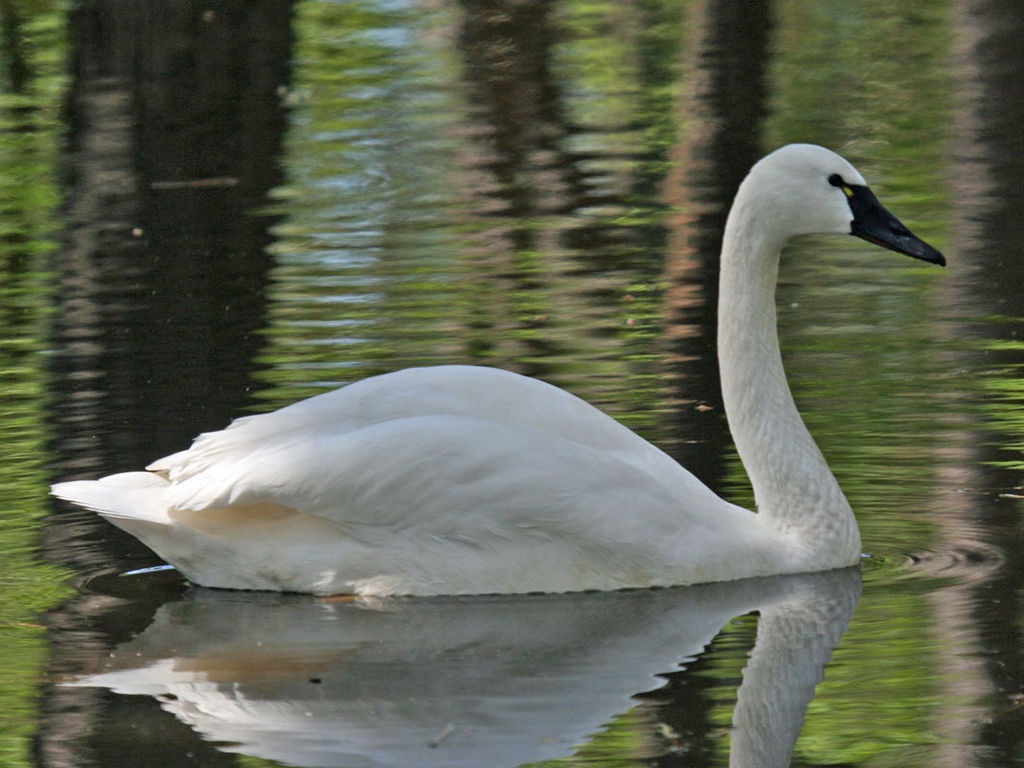
Whistling Swan (Tundra Swan)
The Whistling Swan, along with the Bewick’s Swan, is commonly classified as a Tundra Swan. Despite its name, the Whistling Swan does not whistle vocally. Instead, it produces a distinctive high-pitched whistling sound from its wings during flight, which is how it earned its name.
Size
A typical adult Whistling Swan measures 115–150 cm (45–59 inches) in length, making it a large and powerful waterfowl species.
Diet
Whistling Swans are primarily herbivorous. Their diet consists mainly of:
-
Aquatic plants
-
Leaves, roots, and stems
-
Grasses and grains
They will also occasionally consume animal matter, including aquatic insects, larvae, and freshwater molluscs.
Habitat & Range
Whistling Swans inhabit lakes, marshes, and estuaries, particularly within the Arctic tundra regions of coastal Alaska and northern Canada during the breeding season.
In winter, they migrate south:
-
Along the Pacific Coast to mid-California
-
Along the Atlantic Coast from Maryland to South Carolina
-
Across the Great Lakes region
Breeding
Breeding typically begins in mid-May, with nesting occurring in coastal tundra environments.
Eggs
A clutch usually consists of 5–6 eggs, which are creamy white in colour.