
Description
Black-Necked Swan (Cygnus melancoryphus)
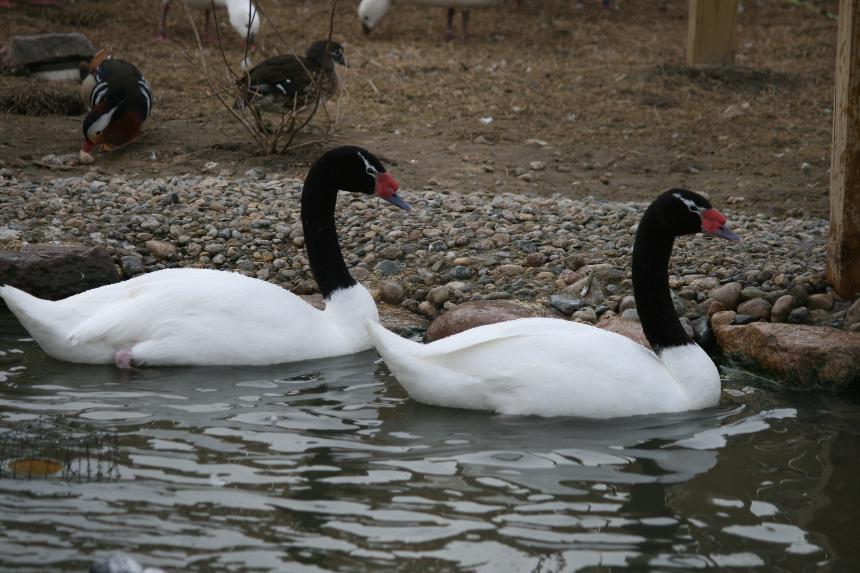
The Black-necked Swan is the largest native waterfowl species in South America and is easily recognised by its striking contrast of a white body and black neck. These swans spend most of their time on water, as their legs are positioned far back on the body, making walking on land difficult. Although take-off can be challenging, Black-necked Swans are strong and capable fliers once airborne.
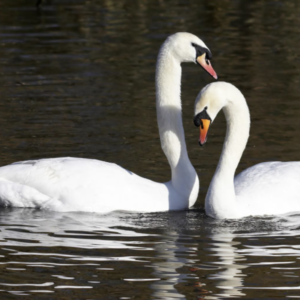
Like the Mute Swan, this species is generally quiet and non-vocal, relying more on body language than sound.
Size
Adult Black-necked Swans typically measure 115–140 cm (45–55 inches) in length.
Diet
Their diet consists mainly of:
-
Aquatic plants
-
Insects
-
Fish spawn
They feed primarily by dabbling and grazing on submerged vegetation.
Habitat & Range
Black-necked Swans inhabit wetlands, marshes, lagoons, and shallow lakes throughout southern South America, including:
-
Southern Chile
-
Patagonia
-
Tierra del Fuego
-
Falkland Islands
During the austral winter, they migrate northward to northern Argentina, Paraguay, and southern Brazil.
Breeding
Breeding typically occurs from:
-
July to August in most regions
-
August to mid-September in the Falkland Islands
Eggs
Clutches usually contain 4–6 creamy-white eggs.